Beautiful Seasoning by Virginia Hughes

A wooden rake, an old rolling pin, a stack of chipped mixing bowls, the wrought iron meat grinder, canning jars and a family Bible. These items from my grandparents’ home were the simple implements of ordinary lives seasoned and made beautiful by use of their hands over time. 

In the crisp autumn air Grandpa’s hands curl around the old rake made entirely of wood from handle to comb as he teaches us to rake leaves and gather branches under the massive willow tree. Most of the leaves have blown over from the red-orange sugar maples edging the property. As missionary children we relish this rare visit to our grandparents’ stateside home by jumping with glee to bury ourselves in piles of autumn leaves. A loaded wheelbarrow carries stacks of leaves for burning. No horsing around by the burning piles; we respect the command to stand back. A handful of colorful leaves rustles in my coat pocket. 

After we have labored, the aroma of fresh biscuits quickens our steps. “Smell those fresh biscuits in the air!” Grandpa announces, and we float into the house, our noses carrying us toward the heavenly scent. 

In the kitchen, Grandma is pulling biscuits from the oven and assigning jobs, “Get a spoon for the jelly.” She instructs. “Pour the milk, put napkins at the places and of all things, first wash your hands.” 

Grandma’s hands grip the rolling pin handles. The ancient rolling pin perpetually rolls dough with its thick cylinder of smooth, seasoned wood. Decades of cookies, pie dough and biscuits roll from the wheel marking times of lean and plenty throughout their lives including tales of how they survived the Great Depression. Family stories roll out alongside dough connecting us through many generations. 

The iron meat grinder sits on the counter waiting to be turned with a hand crank. While its origins are unknown, Grandma knows her great-grandmother used it in her kitchen long ago. “You can’t trust sausage, meatloaf or even a meatball unless you see what goes into it,” states Grandma exposing the meat jungle long before we read Upton Sinclair. “You must learn about the cuts of meat and proper seasonings or be unaware and eat terrible things.” She elaborates about wholesome ingredients. Her large mixing bowls are stacked with the highest expectations. 

Grandma’s hands curl around jars of canned green beans, pickles, whole tomatoes and strawberry jam as she stacks them on the pantry shelves. All the talk of canning is confusing. “Where are the cans?” Aren't cans metal and these are clear glass jars. An eight-year-old mind while imaginative, is correctively literal. The kitchen rings with Grandma’s laughter, “Where are the cans? Right here!” She points to shelves lined with rows of colorfully filled canning jars.

Grandma and Grandpa fold their work worn hands to pray before we dig into the biscuits. Grandpa’s prayer is sincere and blissfully short and for that I love him even more.

When I’m older I learn their home did not always center around faith. There is a season when Grandpa sits in the diner drinking coffee and reading the newspaper while Grandma attends church with their three young children. One summer evening in downtown Indianapolis, while out walking and munching on ice cream cones, the whole family is drawn toward beautiful music flowing from a tent service. After the gospel is presented, Grandpa gives his life to the Lord and his family attends church altogether now. They learn to read their Bibles and pray to grow their faith, and their children became young adults who join full time ministry. 

My mother is their 20-year-old daughter married for one year, saying goodbye to family and country. She and Dad are going to the Philippine Islands shortly after World War Two to start a Bible college and a family.

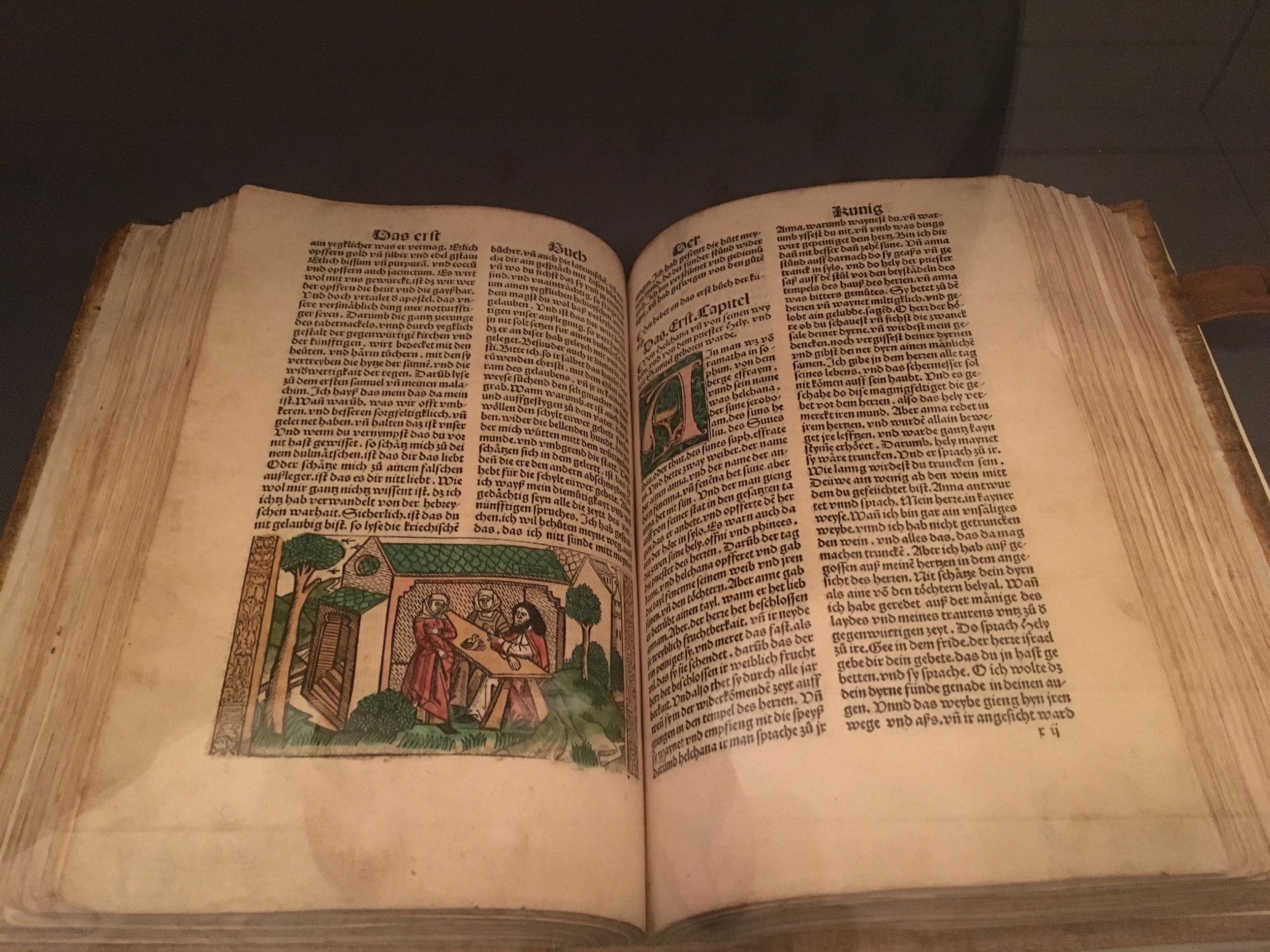
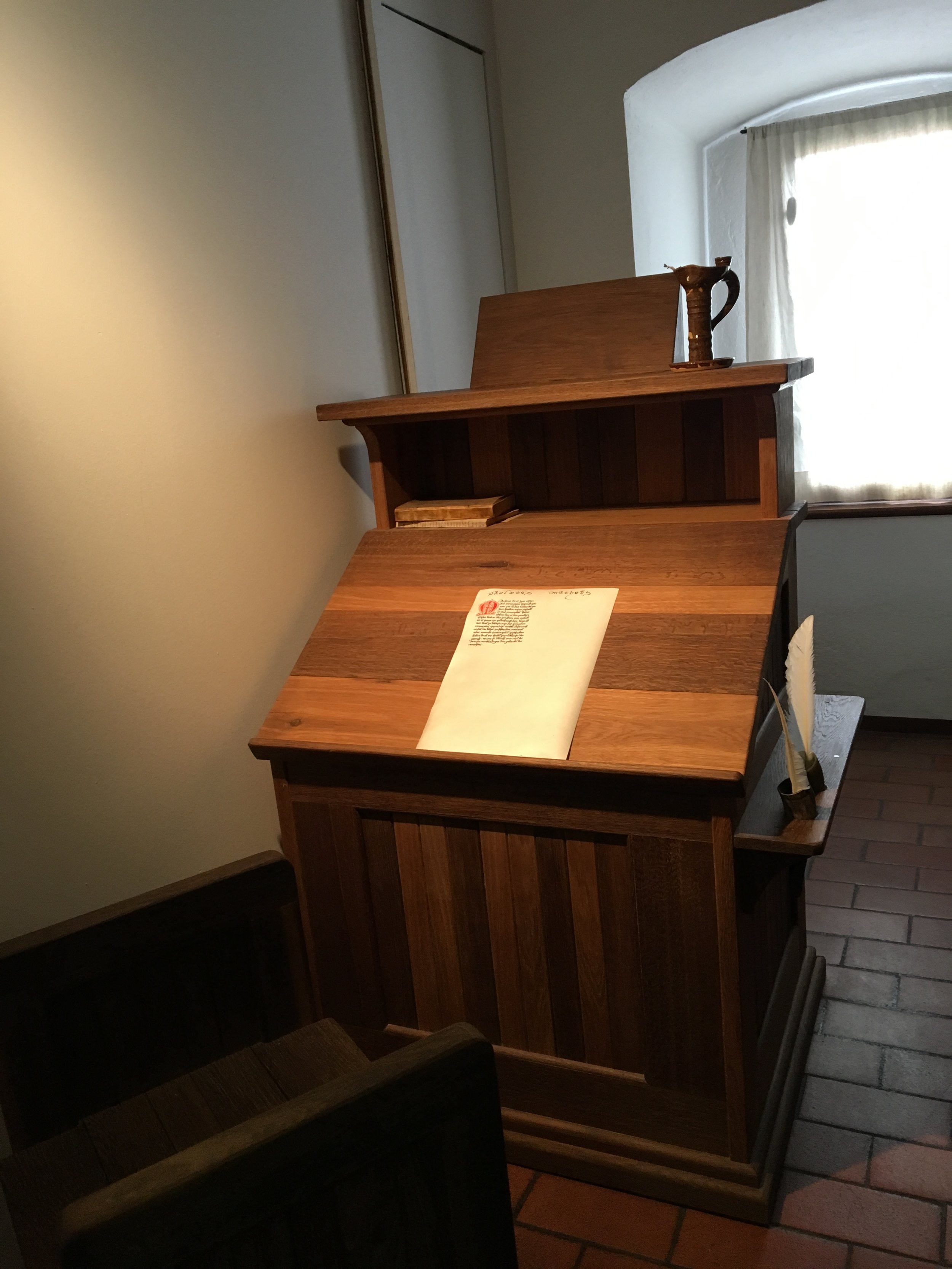
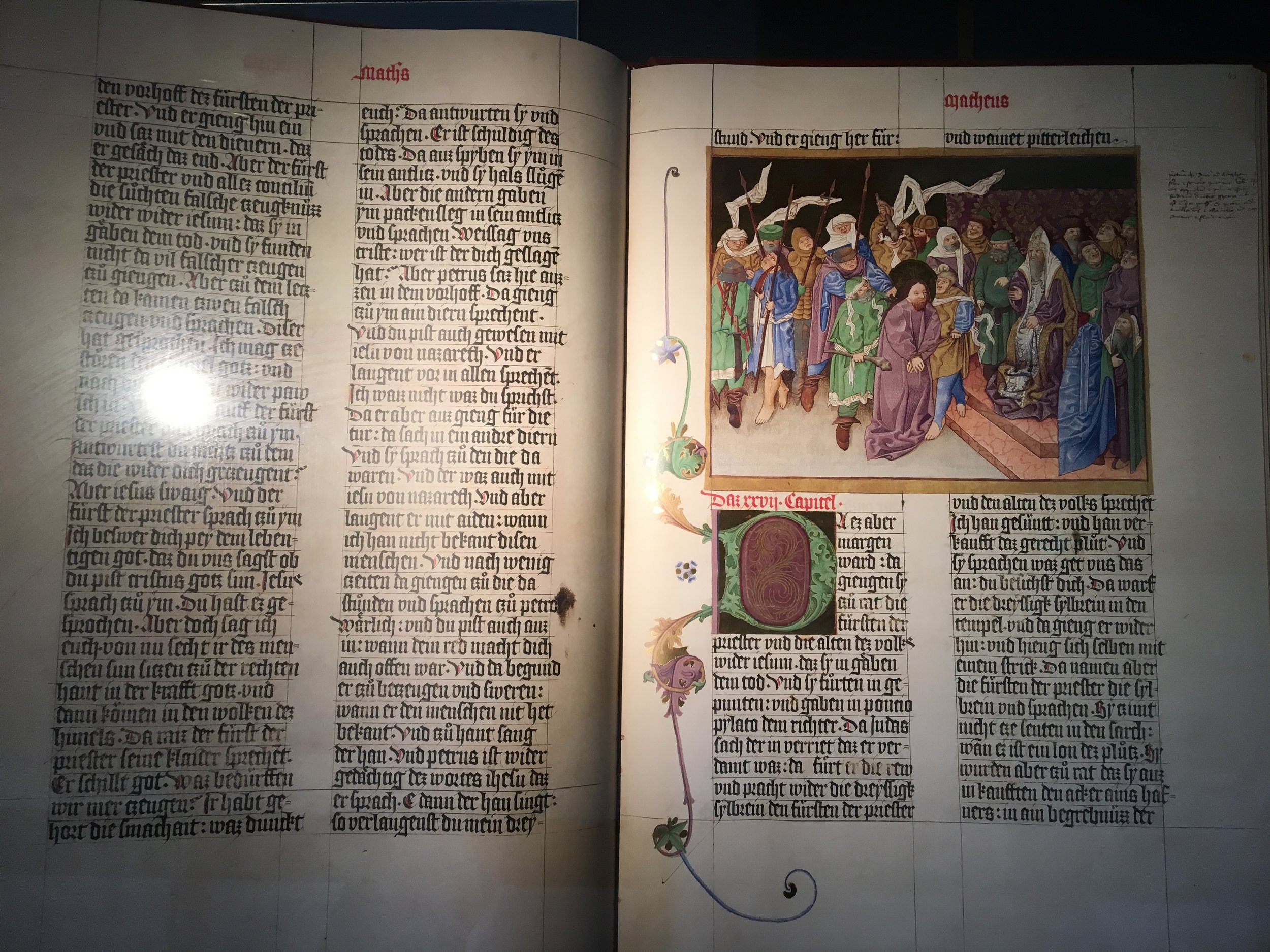
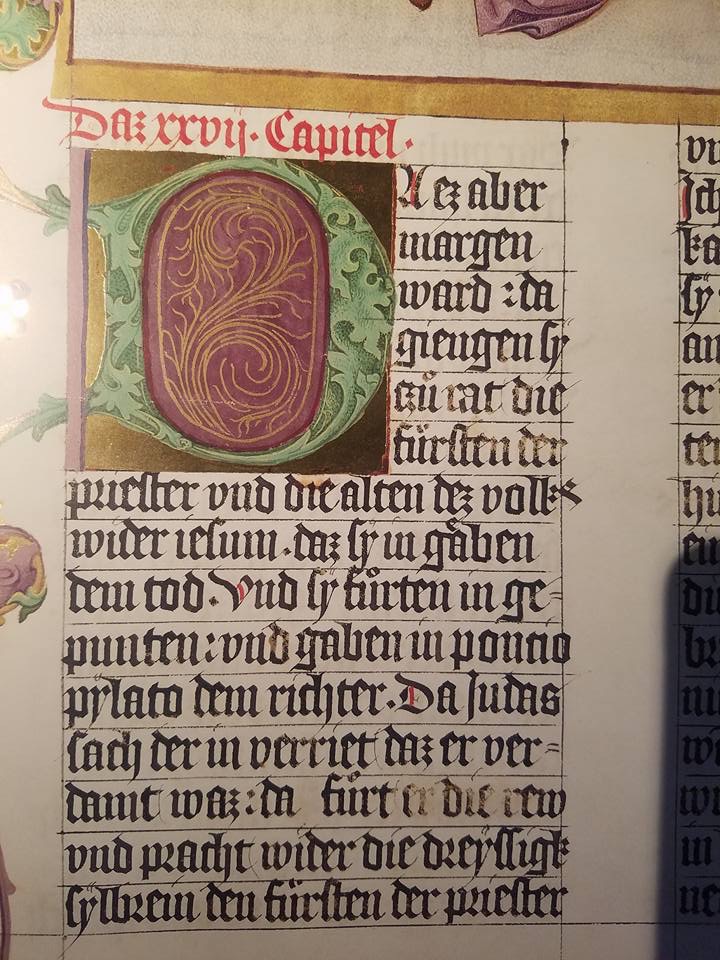
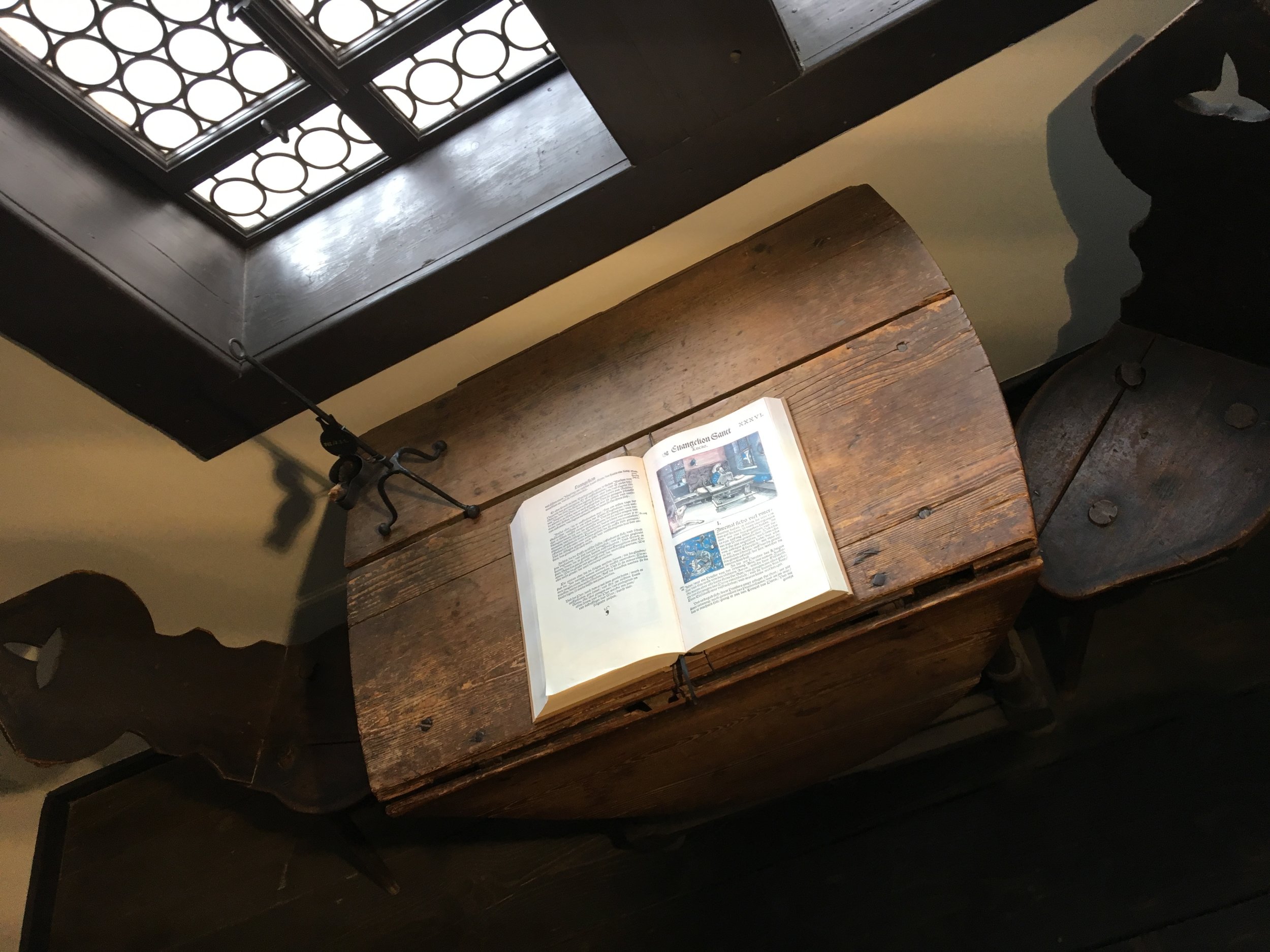
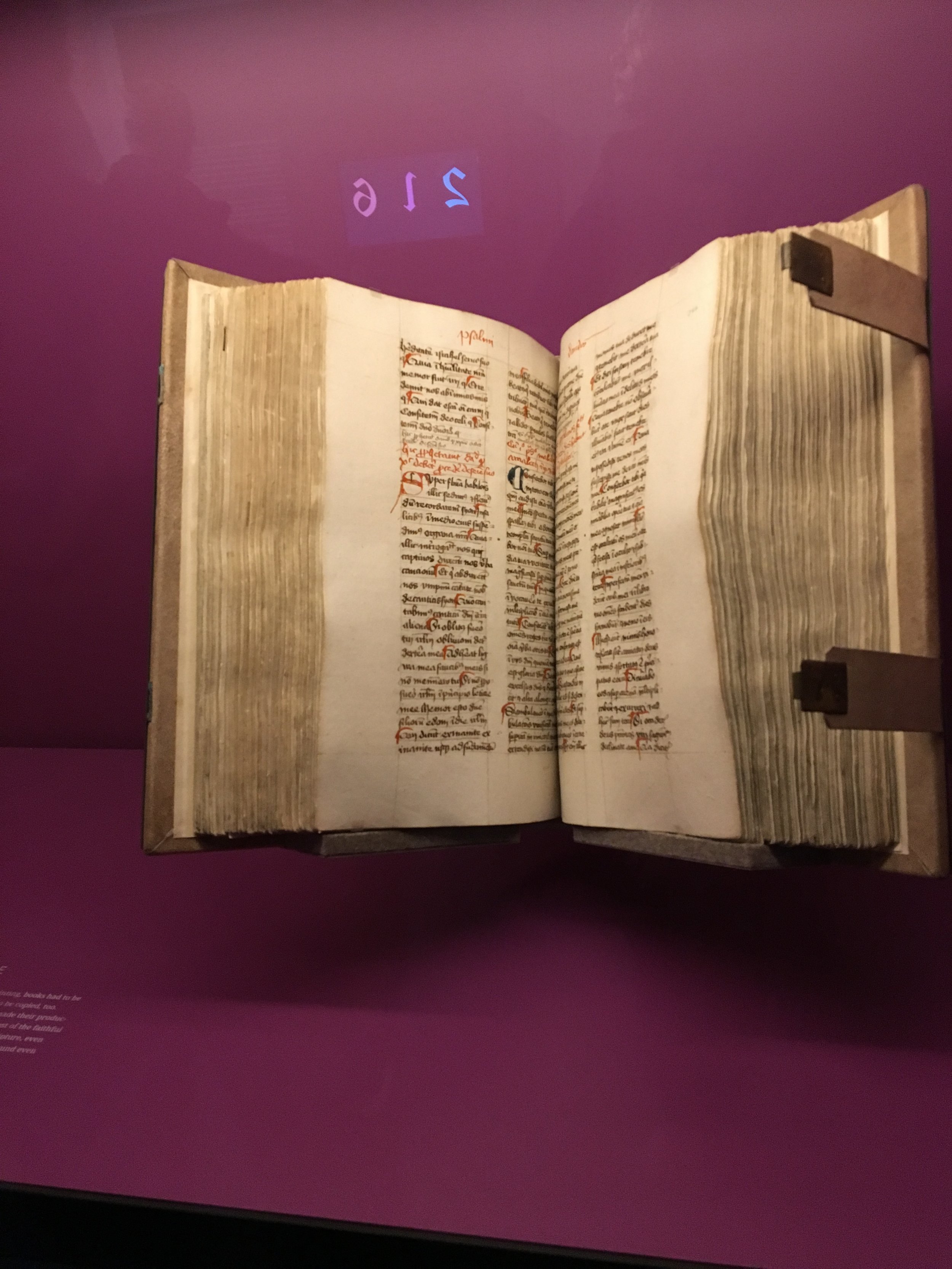
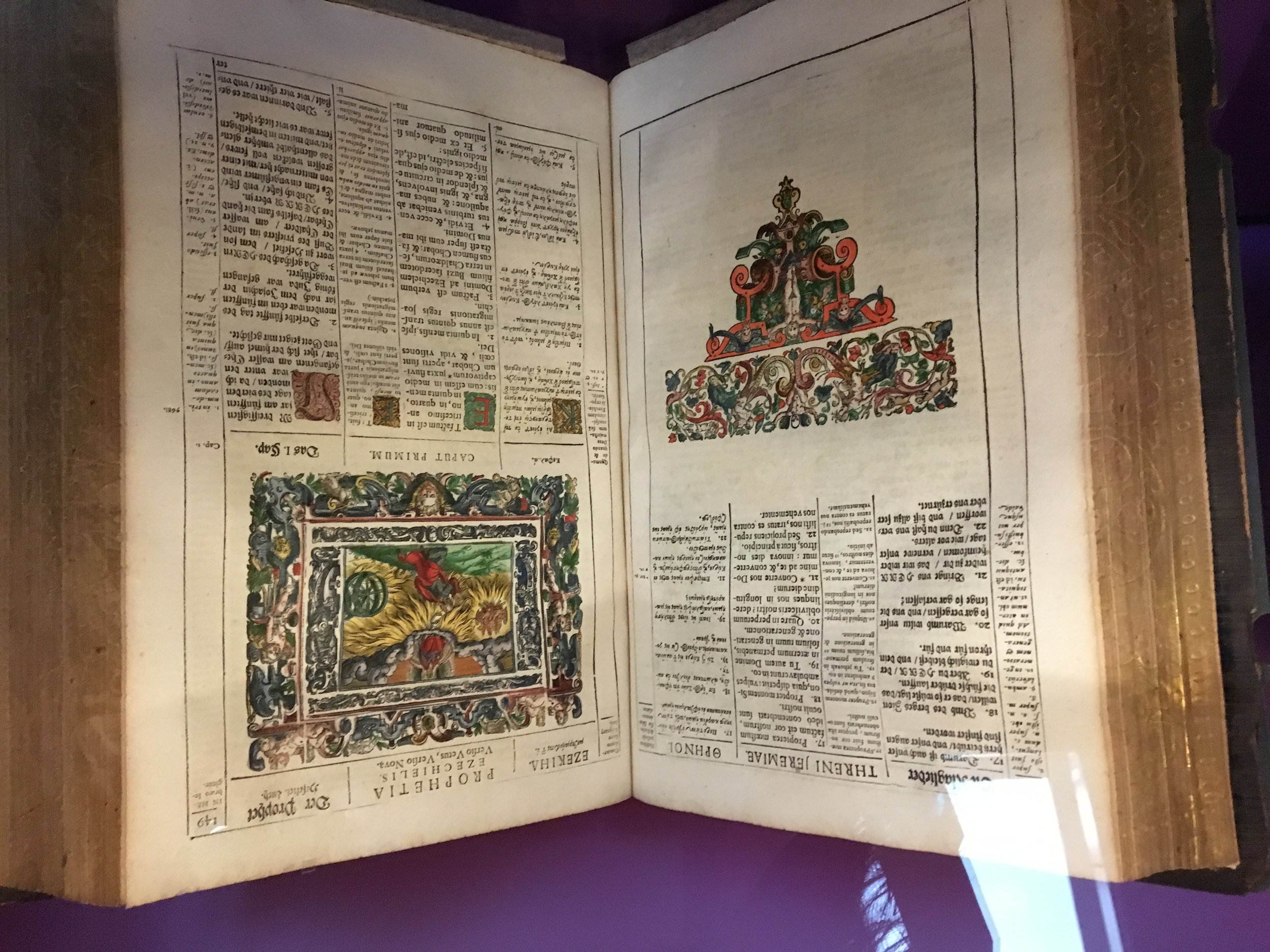
We are shown the large family Bible on display in my grandparents’ living room. Our names are written majestically in script on the page entitled, Family Births, along with our birth dates. The large Bible with my name in it makes such an impression that it immediately comes to mind when I hear about the Lamb’s Book of Life in second-grade Sunday School class.  “Is your name written there, in the Lamb’s Book of Life?” The teacher cryptically asks.

Never has one answered so swiftly nor earnestly as myself, “Oh yes, I saw my name written in the Lamb’s Book of Life.” The teacher is taken aback that I dare claim to have seen God’s own book described in Revelation. “And where did you see this?” She asks. “At Grandma’s. She has the Lamb’s Book of Life in her living room and my name and birthday are written right in it . . . in cursive . . . in ink.”  Teacher’s patience and raised eyebrows remain intact long enough for me to announce that I have also seen the page with the picture of lambs.

Grandpa and Grandma revere the Bible far too much to underline text or write a note in the margins. So, Grandma scrawls notes, names and prayer requests on bits of paper and tucks them into the Bible’s pages similarly to visitors placing prayers into the crevices of Jerusalem’s Western Wall. Grandma believes her prayers will be answered as she waits upon the Lord. 

My grandparents entrust my young parents into God’s hands and later their eight grandchildren as we come along. They are the lone set of grandparents keeping the home fires burning. My dad’s parents travel as evangelists and we see them even less than the stateside ones. 

No phones for calls. Letters waylaid and delayed. We are not together as a family for many years as Grandma’s rolling pin rolls out the biscuits, and Grandpa’s rake is raking leaves over many seasons, the canning jars fill with fruits and vegetables, and line the pantry shelves. Wholesome ingredients stir within the mixing bowls. 

We know our grandparents open their Bibles and fold their hands to pray. They trust God to keep us, savoring the telegrams, air mail letters and postcards announcing a new grandchild, and good news that we are well. An amazing bond grows between us despite time and distance as we believe we are loved and practice faith that we will see them again. Their presence in our lives teaching both family and faith reflects their use of the family Bible. For in it we find the beautiful and perfect seasoning leaving us equally satisfied and always wanting more.

Noses and Nostalgia by Nancy Taylor

The air is heavy today with the scent of rain and fall. It’s funny how our sense of smell can instantly transport us to another time and place. One whiff of hedgerows and roses and I’m back in England. Salty sea air wafting on the breeze transports me to the Outer Banks in North Carolina. Scotch pines swaying in the breeze take me to the Northwoods of Wisconsin. A particular cologne brings back all the feelings of young love because that’s what my husband wore when we were dating. The smell of cedar brings me back to days of playing in our walk-in cedar closet as a child. Gasoline and lawn clippings and burgers on the grill are all the best scents of summer. Maybe it’s no mistake that the words nostril and nostalgia are so similar.
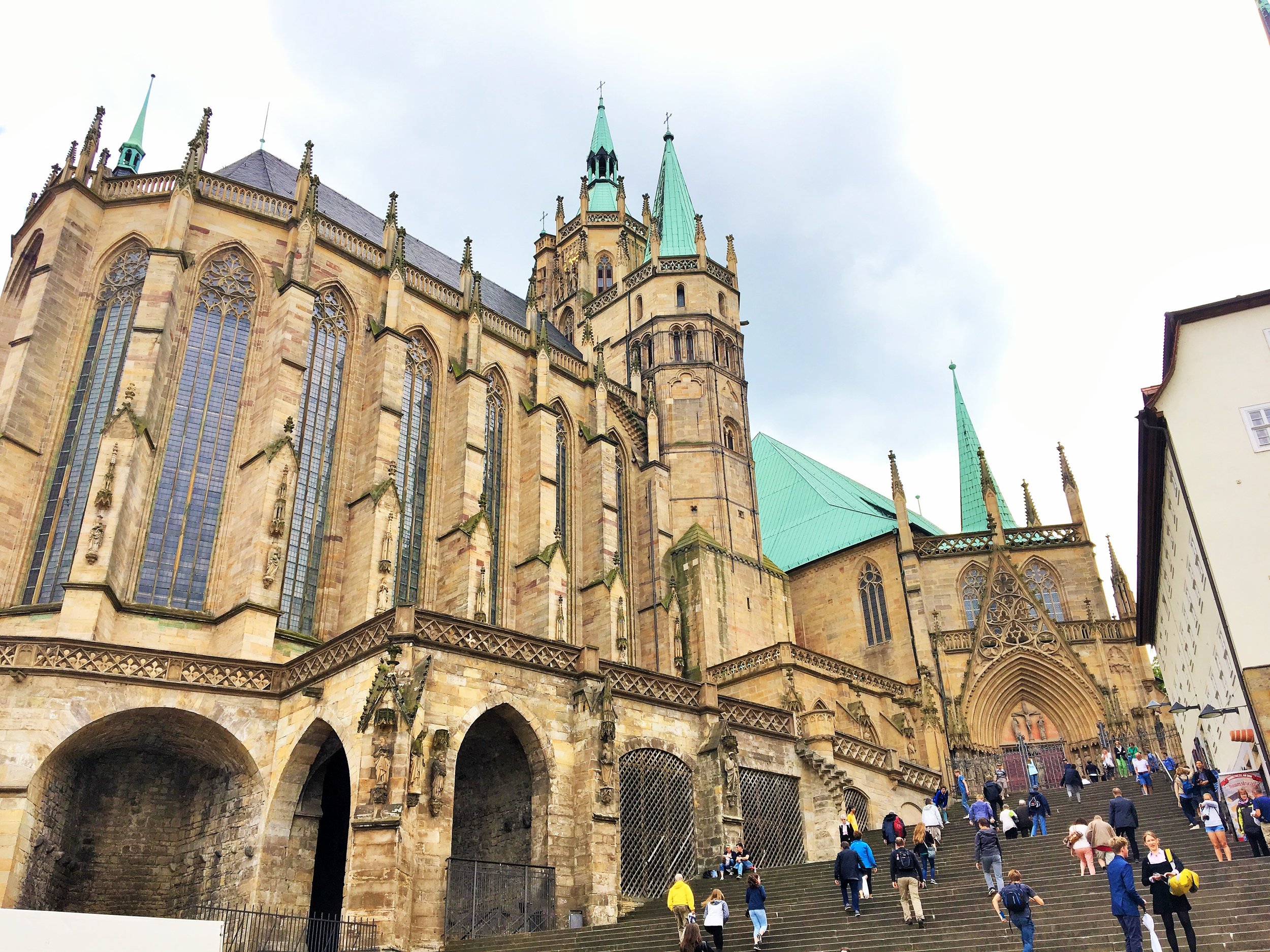
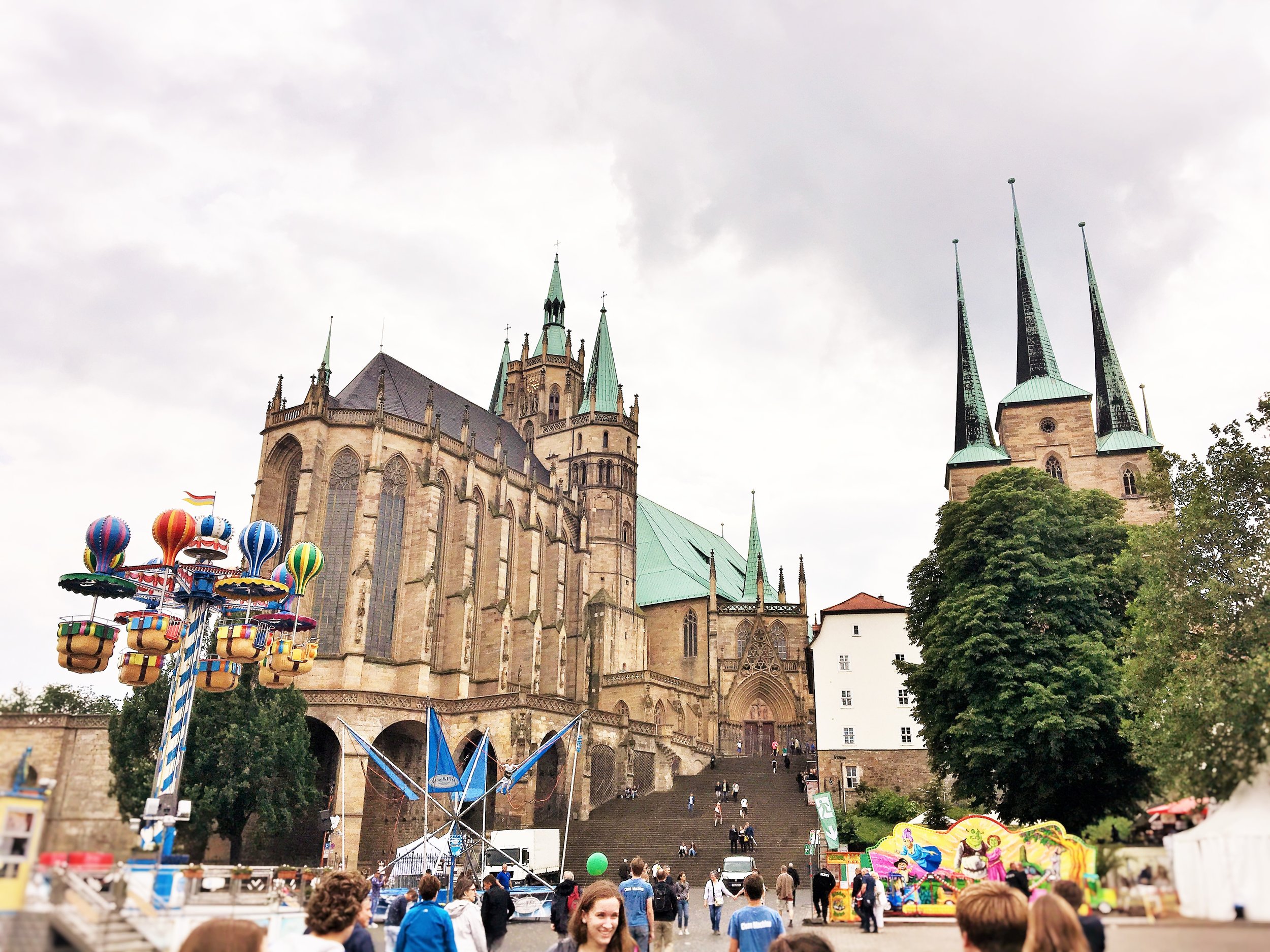
The funny thing is, we can’t really describe a smell the way we can describe a sight or taste or sound or feeling. It’s something you have to experience for yourself, and it’s not always an experience we choose. Scientists tell us that the sense of smell is the most direct of all our senses. As we breathe in, tiny nerves transmit information to our brains. The effect of a smell is instantaneous, unedited, and visceral. And the information that enters our brains through our noses lodges in the long-term memory section of our brain. The effects of what we breathe in without even knowing it are long-lasting and inescapable. That is why smells have the power to bring up long-buried emotions of joy or sorrow, reduce our stress and improve our cognitive performance.
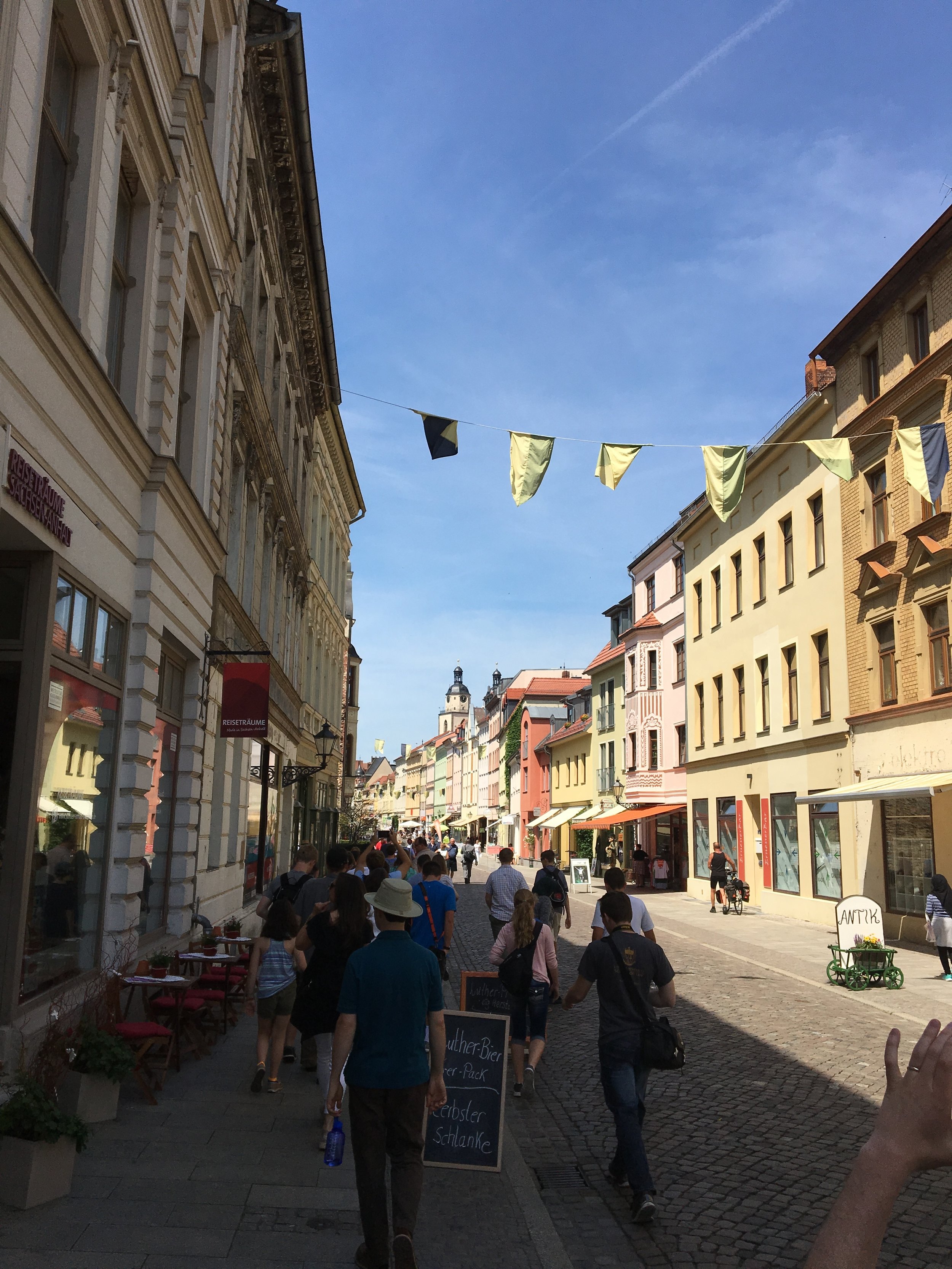
Perhaps the power of scent was on Paul's mind when he wrote, “we are the aroma of Christ to God among those who are being saved and among those who are perishing, to one a fragrance from death to death, to the other a fragrance from life to life.” (2 Corinthians 2:15–16) Christians have a unique smell about us. We carry with us and in us the life of the Spirit, and he creates in us rivers of living water, which carries the scent of life and growth and hope. The promise of true life.

The scent of a Christian is interpreted differently by different people, just as the smell of grass clippings makes one person think of happy summer days and another think of miserable allergies. Those who are being drawn to life in Christ know that it is the aroma of the life-giving love of God, and to them it is the smell of life. The presence of another believer transports them to the glorious home they will one day share as they live in God’s presence. It is a tangible reminder of the worldwide family that we became part of when we believed in Jesus.

Those who have turned their back on God associate Christians with judgment because a Christian’s life of love and obedience to God makes theme realize that their own life stinks of death and destruction. To them, Christians reek of death. Maybe they are not too far off, because after all we are carrying in our bodies the death of Christ, the death which brings life.

There is another aspect to the scent of a Christian—we are, in our very existence as well as in our acts of love and worship, a fragrant offering to God. The prayers we breathe out and the good deeds we do for others are like the sweet aroma of sacrificial incense wafting up to him. (Leviticus 1:17) We are “a fragrant offering, a sacrifice acceptable and pleasing to God.” (Philippians 4:18) In these ways we imitate Christ, who “has loved us and given Himself for us, an offering and a sacrifice to God for a sweet-smelling aroma.” (Ephesians 5:2) Regardless of how we are viewed by those around us, the scent of life and love that clings to us as believers is pleasing to God. It is a sign that we are a living sacrifice to him, that we have offered ourselves, body and soul, in worship to the Creator.

So the next time a scent takes you by surprise and transports you like a magic carpet to another time and place, think of the aroma of your life. Are you letting Christ flow through you so that you bring the scent of life to those around you? Are your attitudes and actions a sacrifice of praise that releases a sweet aroma pleasing to the Lord?


Follow Nancy's blog on her website: nancytaylorwrites.

The Great Homesickness by Rachel Rim

When I imagine childhood, that crescent of time when we’re somehow more human than we’ll ever be again, I picture strips of asphalt and living room windows. For the first seven years of my life, my father pastored a church an hour’s drive away from home. Since the small group my family attended always met in the houses of its more proximate members, it sometimes felt like we were eternally making our way home. Sitting in the backseat, drifting in and out of our parents’ conversation, my twin sister and I would gaze out our car seat windows in that hazy twilight between waking and sleeping.

By the time we turned off the freeway and into our quiet neighborhood, the world outside was a dark blur of shadows broken only by the occasional lights left on in people’s houses. Drowsy, wrapped in my own tangle of arms and legs, the warm air from the vents billowing out the Chicago cold, I’d stare out the window into strangers’ homes. With the infection of night, they seemed infused with mystery—esoteric spaces that opened an ache inside my chest, bright squares of hallways and curtains that coaxed whole worlds from their calyxes. Though I knew in my head that they were made of walls, ceilings and floors just like any other house, they seemed illuminated into mystery, a grain of belief I did not have to fight to hold.

Some fifteen years later, a diploma under my belt and the awning of adulthood now situated firmly above my head, I am envious of a time when anything—particularly faith—could be held with the gentle grace of childhood. These days, it seems there is nothing that does not require inordinate strength to believe. Living rooms, it turns out, are just living rooms; draw close enough, and the world beyond the sill shrinks back into the mere luminescence of your longing, a reality language can contain.

Once, sitting in the back of a different car making its way home from a different church, my sister and I asked our father why he believed in God. I remember his momentary quiet, how it fell like snow upon the dashboard, and then his simple answer: “Because of beauty.” I remember expecting a more dogmatic answer from a professor of philosophy.

At 23 years old, I don’t know much. About the only thing I know with certainty is that I don’t know as much as I thought I did a few years ago. Sometimes, oftentimes, it feels like life got confusing far before I got courageous, if I’ve ever gotten courageous, and this philosoher's daughter who grew up exposed to more theology than the average adult, can never quite seem to summon enough faith.

Yet if you were to return my question back to me and wait for my own snowfall silence to melt into words, then like so many times before I would quote my father: I believe because of beauty. I believe—because of beauty. Because of Rainer Maria Rilke’s poetry and the feel of nylon guitar strings; because of the miracle of friends and the paradox of the gospel; because of the strange amalgamation of darkness and childhood that takes strangers’ homes and flowers them into grace, and the insatiable ache for God that remains our deepest proof of him. If I had to venture a guess on any truth, it might be this: longing, like beauty, is inherently apologetic.

Rilke puts it another way, in a prayer that seems to float out an old window and into the surrounding night: “You, the Great Homesickness we could never shake off.” 

Vitality by Dan Haase

This post is from OneWord Journal's favorite wanderer for wonder, whimsy & wisdom, Dan Haase.

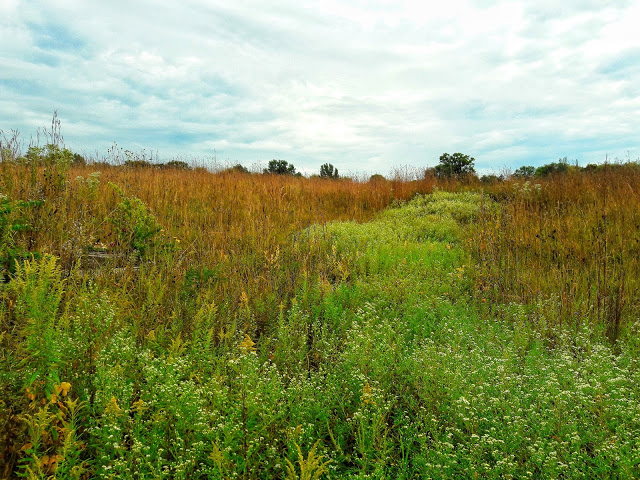
One good lesson in learning to hope is as accessible as the outdoors. Mother Nature is a professor whose lecture requires active engagement. And the Headmaster of her school has organized all the topics around beauty, truth, and goodness. It is an invitation to the delights of wisdom. 

autumn colors 

both bright and dull 

an assignment 

Follow Dan's blog, "Gathering Wonder."

Your Kingdom Come--By a Worker in a Difficult Place

"Your Kingdom come, your will be done, on earth as it is in heaven." When we don't know how to pray, these words from our Lord’s prayer express our longing to see the glory of God fill the earth as the waters cover the sea.

My husband and I have lived and served in a few different countries—each with its unique beauty and unique brokenness. In each place, it has become more and more apparent that though God answers our prayers in different ways, the one prayer he always answers "yes" to is the heartfelt cry, "Give me Jesus."

In one country, it was difficult to keep a positive outlook when we looked out our window each day to the same trash, the same poverty and the same deeply ingrained societal problems. One day, as I visited a local orphanage, a young mother tearfully dropped off a small child, the youngest of eight. They could not feed all of their children and hoped that at least here, at the orphanage, their youngest child would have enough to eat.

I returned home completely disheartened by the severity of the needs around me and my own limitations as a mother of small children (what good would a bag of tangerines and a box of oatmeal cookies do in face of such great need?). Not knowing what else to do, I wrote down a prayer full of requests that seemed impossible unless the Lord were to intervene in a miraculous way.

I wrote, "Lord, I pray for M, who knows the truth but is wobbling on the fence. Please help her to sink her roots deep in you. Help her not to be drawn in to the lifestyle of her boyfriend (who, at the time, was in prison for dealing drugs)."

I continued to write. "Father, please help N's husband to be drawn to you. She loves you so much. And Lord, please help there to be a Christian school here, so some of these kids can grow up learning your ways. I prayed for an orphanage where they can hear about you from their very earliest days. And Father, please help some of these children to be adopted into Christian homes." And my list went on. Finally, when it was finished, I felt a bit better, folded up the paper and went on with our busy lives.

Ten years later, then living in another place, I came across that old prayer list, and realized to my amazement that each request had been answered in specific and tangible ways. There was a school and an orphanage there and several of those very orphans had been adopted into Christian families, some in locally and some abroad; M was working in another country among a minority population there, sharing the gospel; N's husband had come to Christ. Tears came to my eyes as I thanked God for answering every single one of those requests, each of which only God could have done.

It struck me then that most of the things that really matter—the salvation of a soul, the return of a prodigal are things only God can do. Sometimes we are blessed, as we were then, to see specific, positive answers to prayer. But sometimes he says no. Sometimes as sure as we are that God is able to bring the dead to life, we also live in a broken world with its reality that some pain might never go away this side of eternity. Whether it is chronic physical pain, a broken relationship, a discouraging brain scan or silence where we hoped to hear a heartbeat, in those instances we must depend even more on the promise that he will never leave us and one day will make all things right.

Currently, we live in a place where many people are anxious and fearful. We live in a place where followers of Christ are in prison. We also have the privilege to live alongside people from many countries, some who have trusted Jesus, and all from people groups we prayed for when our kids were small.

Every day, at least five times a day, I am reminder of why we are here, and we pray. We pray that people will be delivered from their bondage to fear, and experience God's perfect love in Jesus. We pray for believers in prison, that their hearts will be encouraged as they wait, and that the God who holds the hearts of kings in his hands will also put mercy in their hearts. Only God's perfect love can cast out the fear, lies and darkness that cause people in power to mistreat perceived enemies as they do.

There is one thing we can pray with confidence. In the final reckoning, God's justice will prevail, so we pray for his kingdom to come and set things right. Meanwhile, in the waiting, we thank him for his mercy, because there are still many, even many we know and love, who have not turned to him yet. And he is patient with us, "not wanting any to perish, but all to come to repentance."

In the waiting, God has taught me that although we may seem and certainly feel rather vulnerable and even powerless, Jesus has made a way for us to draw near to him. He gives us full access to the One who is over all, who knows our names and hears our prayers.

So we keep praying.