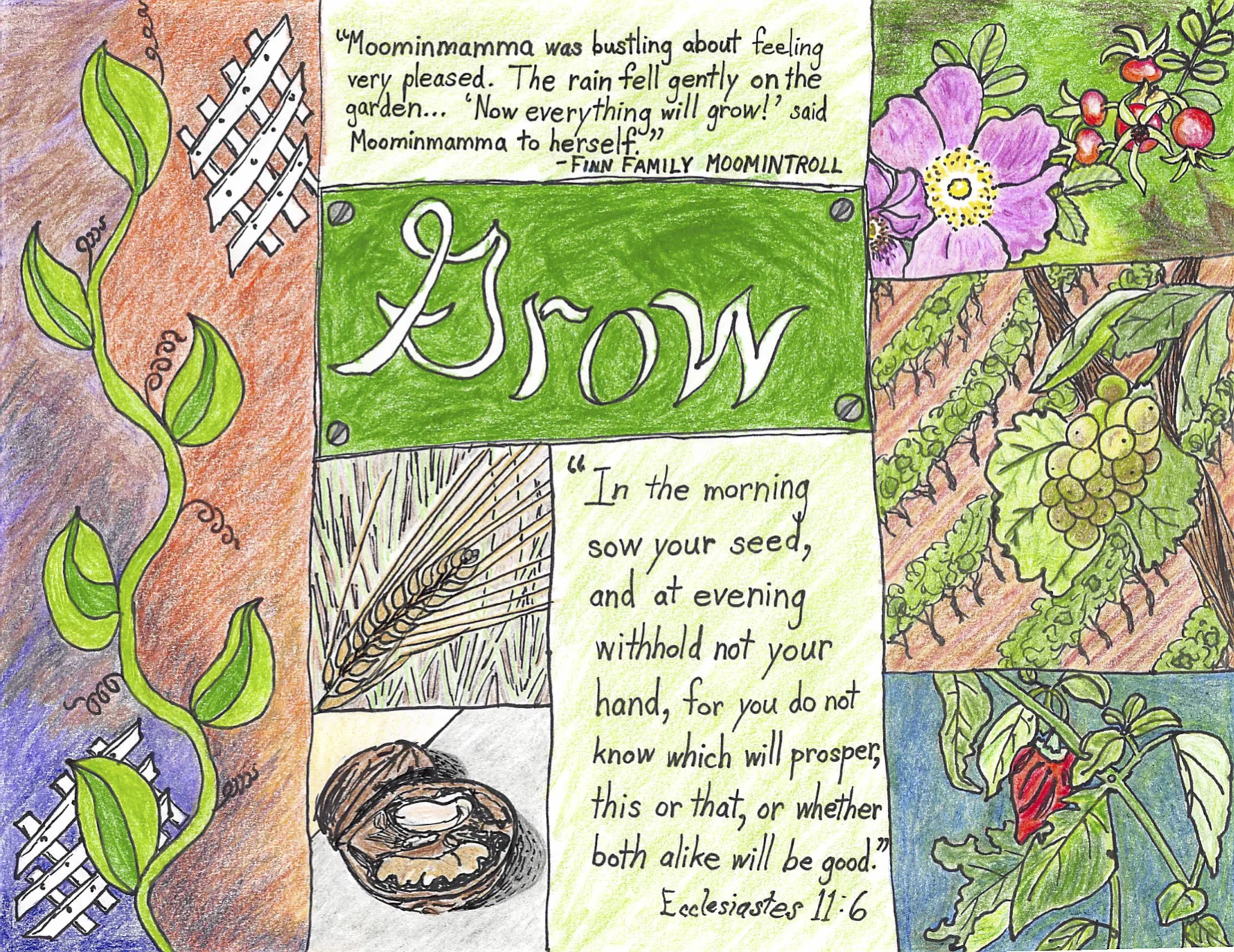
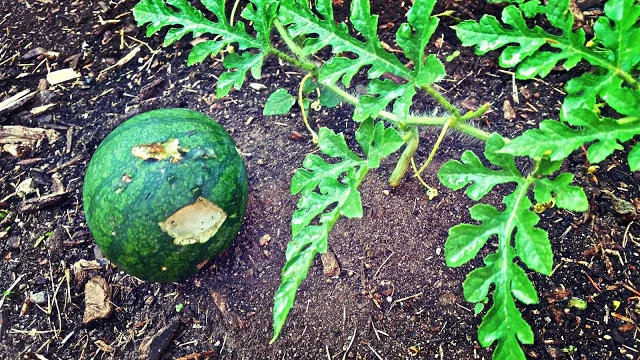
Bounty of Brothers and Sisters

By Vikki Williams

For those whom he foreknew he also predestined to be conformed to the image of his Son, in order that He might be the firstborn among many brothers. (Romans 8:29)

"She came out of the womb looking for people. And not just mom! She had to locate dad in the room and siblings!” The mother laughed as she recalled her daughter's birth, adding that it was still true to this day when her now teenage daughter among friends.  As I listened to the story, I thought, “That sounds like someone even more extroverted than I!”

I can imagine a tiny newborn baby girl craning her head around to see all the people in the room, and II think, “Just like me.” You see, I am crazy about my brothers and sisters--my brothers and sisters in Christ. Some Sundays, I crane my head around to see who is sitting in the other pews and the balconies. And I think, “Wow, a lot of these people are Christians. Why should I be allowed to have so many brothers and sisters?” So many.

And then there are more brothers and sisters from tribes and tongues and nations. So many.

Sometimes I laugh to myself that God decided to save so many people just so I can have soooo many brothers and sisters. But of course, that’s not true. First, they are for Jesus Christ. Yet if believers “give themselves first to the Lord and then by the will of God to us,” (2 Corinthians 8:5), we gain an even greater portion of these friends' hearts than otherwise possible.

And not only does he give me a larger portion of the hearts of Christians I know, but also the many, many souls “who have loved his appearing” (2 Timothy 4:8) whom I will not meet before that Day, and as a great throng we will worship God together, unhindered, endlessly. 

I crave the harmony and affection of those many brothers and sisters in that Day.

This is the harvest I yearn for.

Light Side of a Dark Narrative

by Lindsay Callaway

Most of us would agree that the narrative we envision for our lives is not always the one that gets written. Last year, Desiring God posted an article by Paul Maxwell titled, “When Your Twenties Are Darker than You Expected." Lindsay never imagined that she would be identifying with a narrative darker than she expected.

I had just gotten married the summer before, and my husband, Adam, and I moved to a different state for his job. He was pursuing ministry after spending a year and a half of his post-college years in the business world, and I was going to be his newly graduated, Bible degree-holding, ministry wife.

Marriage felt natural to me, and moving to a new city promised adventure and opportunity to “cleave to one another” in an isolated context. But moving to a new city, starting a new job, attending a new church—everything we were told in premarital counseling (short of getting a dog) not to do the first year of marriage—exposed where I had rooted my identity a little too deeply.

Soon after our move, the reality of unemployment reared its ugly head. After several interviews, disappointing news, a short stint at a hair salon and 100 resumés later, I landed a job as a doctor's assistant in a chiropractic office. The doctor hired me because he had heard of Wheaton College, not because I knew a tibia from a fibula.

Plus, I had just come from working as a ministry associate at College Church with refugees and immigrants, being poured into by staff and encouraged to leverage my gifts for the cause of the foreign born. Now, working in a secular environment in which I had no training or interest, I quickly experienced frustration and felt unfulfilled in my work. But at a painstakingly slow pace, I began to learn that ministry did not have to be professional in order for it to honor God.

I learned this by literally bending over dry and brittle feet, administering treatments to aching muscles and tired bodies, all evoking images of Jesus in John 13. When my position evolved into directing a weight management program, I began to minister to men and women who would weep over the emotional and spiritual baggage they attached to their weight and self-image. Then came this humbling realization—much of my value as a Christian had been tied up in the work I was doing in the name of Christ, rather than simply resting in my value found in the person of Christ.

Finding Christ at work didn’t make my job any easier, but it helped me find purpose while I was there.

That year also marked the first time in many years that I didn't actively participate in ministry. It proved to be an important time of re‐evaluating priorities. I was used to listing off an impressive list of church-involvement, but at this new church, I was a nobody.

Replying to my email in which I outlined fustrations and despondency, a college professor suggested I treat the season as incubation. “This is where you find narrative in the world,” he replied. As my narrative began to yield gaps and inconsistencies as the plot twisted and turned, I wondered if my ministry work had become more about me and what people saw me doing than about Christ and his work in and through me.

The year came to a close, and Adam and I began to think and pray about our next steps. It became clear that vocational ministry was the calling on my husband's life, and we returned to Illinois to attend divinity school.

We were glad to reconnect with friends and family, but we began to frustrate each other with conflicting accounts of our year away. He returned with an experience that affirmed a life calling; I struggled to recount a positive memory. The best advice we received to facilitate closure from that year was this: Allow yourselves to have different narratives.

It sounded simple. But we were so preoccupied with letting our own version of the story dominate the narrative, that it ceased to acknowledge our joint experience. When we started to give each other the space to speak of the year candidly, we actually felt more freedom to extend grace to the other person’s perspective: he, in being more willing to acknowledge my struggles; and me, more open to the confirmation he received from it. 

Returning to Wheaton and College Church was comforting and off-putting at the same time. I didn’t feel like the same person who left. I was a little more broken. A little more jaded. A little more suspicious. The narrative I had cultivated in my first year of marriage was a little darker than I expected. 

But that doesn’t change anything about the God that I serve. Unlike my narrative, his narrative doesn’t change, nor does his character. In fact, where his grand narrative becomes the most dark and bleak is exactly where the most light breaks in. That is the hope we cling to in the bleakness. That is the true light in the true darkness. That is our ultimate narrative. And thankfully, we know how it ends. 

Harvesting Hope in a Refugee Camp

By Curt Miller

On September 20, Camp Moria was partially destroyed by fire. The fire was likely started after a day of peaceful protests escalated into ethnic rioting. College Church ministry partners and other relief workers are working hard on clean up and resettlement of the refugees. Curt Miller, interim missions pastor, reflects on his firsthand experience at the camp this summer.

Hopelessness flows like a river through that camp. After 25 days, refugees can exit the camp, but where would they go? Who would accept and welcome them? Considering the difficulty of camp life, riots are not surprising, but the burning of about a third of the camp deeply saddens me.  

I remember the morning of July 4, when the STAMP Greece team walked through the tall, barbed wire crested fences of Camp Moria on the Island of Lesbos. Now a detention center, this former prison center has one dominate color--grey, a stark contrast with the rolling hills filled with green olive trees. Cement off-white temporary housing covered the camp’s hilly landscape, with only a few colorful three- to five-person tents speckling the hillside. We thought little of independence that day.

Despite the heroic efforts of NGO volunteers to find housing for these asylum seekers, there was no such thing as “appropriate housing.” Some of our teammates helped new friends scrounge around for cardboard to soften their narrow beds on the small jagged rocks. Others patched tents or gave out tea. Some visited friends in their “homes” to see if they needed a second or perhaps third pair of clothes, even though the clothes were never a good fit.

And it was hot. I grew up under a South Carolina sun that could melt you like butter in a frying pan. It was hot like that. And dusty.

Things get worse--imagine all of your choices eliminated. You get a purple shirt. You get warm milk. You take a shower there. I looked into the faces of a woman and a young child and thought, “This could have been my wife. This could have been my child. What if I was here and could provide absolutely nothing for my family.” Humiliating.

From some news reports you might think that refugees are only from one country (there were refugees from more than twenty countries) and only spoke one language (there were many languages spoken) and had only one intent—to do harm. Not all of the refugees were angels, but the majority were incredibly peaceful, kind and hospitable.

I was shocked to learn that many of these folks were professionals. Attorneys, doctors, journalists. One friend was a medical student who fled to avoid being recruited by enemy forces. But the narrative of these individuals didn’t shock me nearly as much as one other condition: the power of God through the gospel.

Now, I’m a pastor. As the interim missions pastor at a church with over two hundred individuals on the field (100+ units), I get to hear moving stories every single day. I talk with couples about miscarriages and faithful individuals about singleness. I witness people moving from depression to joy. We talk about the gospel. I hear good news every weekend.

But in Camp Moria, I saw it. I saw the power of God at work in the lives of individuals who professed belief in the gospel. The testimony of some new friends was like watching the long arm of God reach down deep into a bottomless pit of filth, grab the bent, broken and tainted lives, resurrect them through the cleansing power and righteousness of Christ, and then set them down into a valley where all they had was their Shepherd.  

One hot afternoon I sat beside a new friend on a cot, listening to his story. At some point he said to me, “I became like a new baby.” With a slight grin, he asked, “Do you know what I am trying to say?” I affirmed that I did, and asked how that happened. He told me his journey to faith in a camp like this one. He confessed, “Even though it is difficult, I know God has sent me here for a reason.” Another friend said, “God will take care of me. I am not afraid of what they can do to me.” When I asked what he needed, he replied without hesitation, “What we need most is someone to listen.”

Then it hit me again. The good news has become a steady hand to hold my friends during times of trouble. They ran from violence and persecution. They fled for lack of security. They have been stripped of dignity. But then, God did an amazing thing. He made the gospel become real. He became their refuge. They sought citizenship and safety and he gave it to them in Jesus Christ.

And God has also done one other thing; He has entrusted these beleaguered believers to the global church.

God is doing an amazing thing among our asylum seeking friends in these refugee camps. They may be stateless or internally displaced, but one thing is sure for our brothers and sisters in Christ—they share the same citizenship that we have in heaven. We all are citizens for that eternal country that will never pass away.

Followers of Jesus Christ ought to be astounded at the power of God working through the gospel in this global crisis. This moment in time is an opportunity for us to pray for and to listen to the stories of our suffering brothers and sisters. This moment is an opportunity for many to rise up in order to joyfully go down into the pit to share the good news to those who need to know that true independence, true freedom and true refuge are found in Jesus Christ alone. 
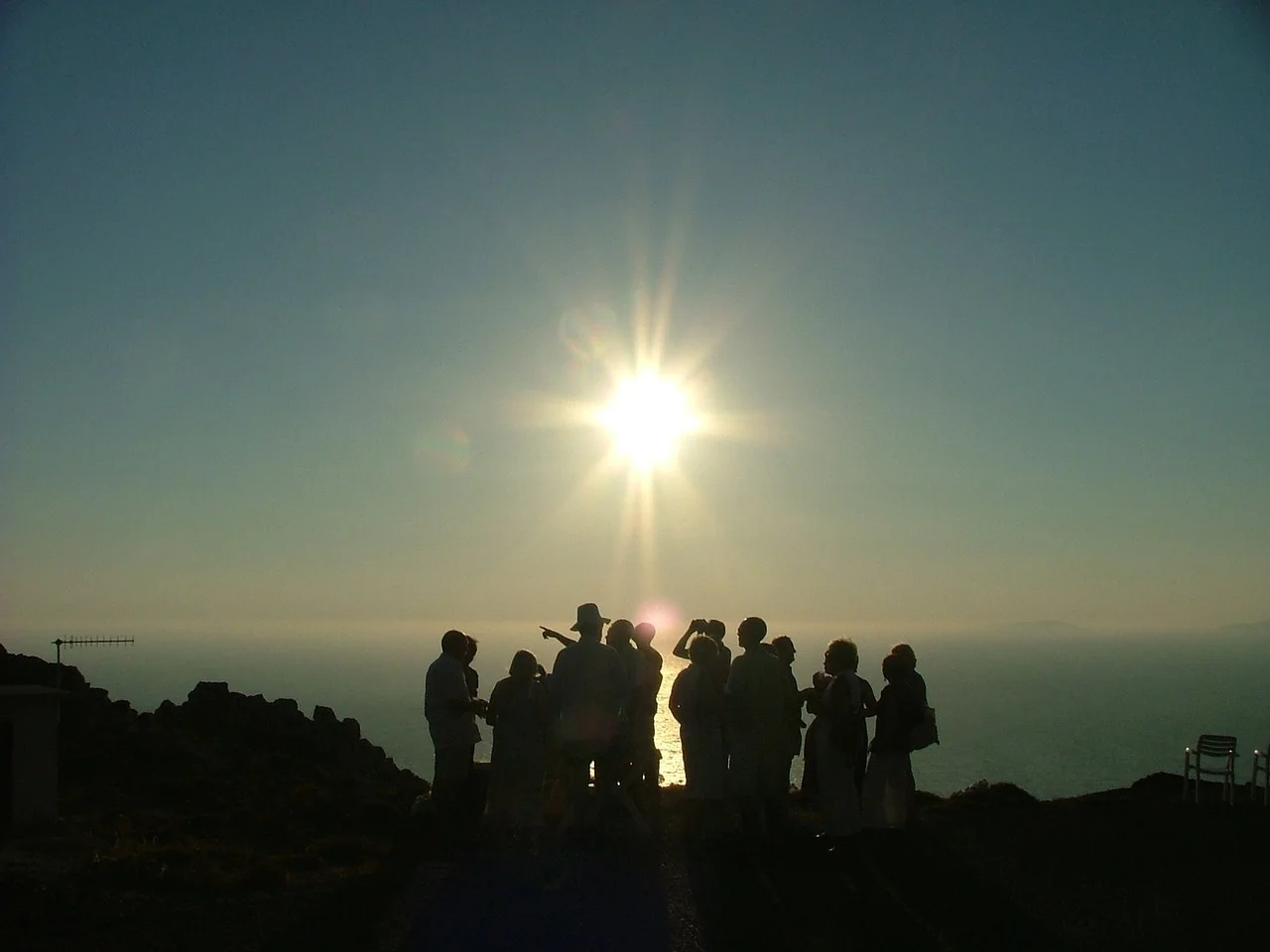
Old Enough for Roses

by Virginia Hughes

Mrs. Coffelt was an angry bird long before the game was known. She attended church which my father pastored. When she didn’t make it to church she would say, “My bursitis and hemo-goblins been acting up.” When she came to church, she liked to stand during testimony time and complain about what was wrong with the world, the weather and worse. None of us were glad she had read and memorized, The Late, Great, Planet Earth, to round out her testimony with the doom of Armageddon. She asked my brother Richard to come help in her garden; she would pay for his help. I came along hoping some nickels would fall into my pocket if I helped weed too.   

When she said garden, we thought she’d have a few perennial borders like Mom had. We were instantly moved by the beauty of Mrs. Coffelt’s entire yard, a lovely masterpiece bursting with bloom.  I thought Mrs. Coffelt’s garden the antithesis of herself. The word “antithesis” had been a spelling word in sixth grade that week, and I found the word to be so interesting, I sought examples in the world around me. I had walked into a living example of antithesis as I compared everything I knew and could see about Mrs. Coffelt with the magnificent garden we beheld. She was gloomy, grizzly and grumpy, while the garden looked bright, beautiful and blissful. “Don’t stand there gawking while the weeds bury us!” She snapped, jumping us out of our wide-mouthed reverie. She quickly cussed at a weed she called “rose moss,” and after swallowing our surprise at her strong language, we set to work removing it from between her prized dahlias.  

Back then I thought “rose moss” a type of rose; so I took some home to Mother. She told me it wasn’t in the rose family, but it wasn't a weed either. It was a succulent, Portulaca grandiflora, common name: moss rose. We found a droughtishy place to plant it in the edge of Mom’s border where it thrived in shades of yellow, pink, and orange.

Over the summer, Mrs. Coffelt sent divisions of aster, columbine, delphinium, dianthus, foxglove, hibiscus, hollyhock, hosta, peony and other plants home with us to Mother’s garden, and Mother's garden grew into a lush space with the generous gifts.

Once when I was admiring Mrs. Coffelt’s roses, she nearly bit my head off. “Stand clear. You keep away from those, girl. You are too young for roses!” I turned away and Richard kindly whispered that it was probably the thorns. She didn’t want me to get hurt by them. Richard was often doing something for the roses. Pruning, watering, spraying with a mixture of water and milk, a home-brew to deter blackspot, or pouring smelly fertilizer around their bases. I shrugged and dug out a dandelion. 

At home, Dad had trained us to dig deeply when digging out dandelions. Pennies matched the length of the dandelion’s root we dug up. I hoped Mrs. Coffelt had a similar reward system respectful to a weed’s root size, and enthusiastically held up the long root exclaiming it was worth at least a nickel. She scolded me for carelessly letting the downy seeds escape and fly away to plant a thousand more dandelions where that ONE had been. I could not please her.

My faith was tested in the beautiful garden, I was weak and in my heart I fell. Back home, I insisted I would not return to suffer Mrs. Coffelt.  “Aren’t you going to help your brother?” Mom asked. “Do I have to go back there? She is so mean,” I answered. “She is a lonely, unhappy woman, dear. She has lost both her son and her husband. She needs a smile in her life. It would be real nice if you could show her the love of Jesus by helping her.” I stated that Mrs. Coffelt was impossible. “But Jesus loves her and this is a way to show his love. She telephoned today and said how pleased she was. How you two work well together and help her so much. She almost had happiness in her voice when she asked that you both please be sure to be there tomorrow.” I retorted that it wasn't fair; how she didn’t pay us! Not one penny. She said she would, but she hadn't.  Mother said that Mrs. Coffelt may not have money to pay. I lamented how we sweated in the hot sun, got covered in soil and itched all day. She didn’t even say thank you, but always, “See you early in the morning,” as if she owned us.

Many years later when I started to garden in my own yard, I planted easy blooming shrubs like hydrangea, lilac and magnolia. Dependable Perennials. I avoided roses. The attention they require. They are too fussy. The pruning. The thorns. The bugs and every terrible disease that plague roses. No thanks.

Then a rose company sent me its colorful catalog last winter. My heart melted while the snow was piled high. I learned there is a whole world of roses I knew nothing about. There are disease resistant roses, a winter hardy collection with no need of protection. Roses that grow in the shade, and even few with no thorns. I planned all winter, and then ordered roses in the spring. When they finally arrived, I followed all the directions: Dig a hole two feet by two feet. Mix bone meal with peat moss, regular soil and humus, put aged manure in the bottom of the hole. Water with Alaskan fish fertilizer. A banquet of bones, blood and stench. So often beauty rises from ashes; death and sacrifice lead to something new and beautiful. So macabre. Like the sacrifice for our salvation. Lessons from the garden never cease.

The next morning, my rose garden was ransacked. The small rose plants lay tossed beside large holes dug even deeper than my original ones. There wasn’t much space between holes. Who did this? A starving mother coyote nursing her pups? Raccoon? Skunk? It could have been an alien encounter where a spaceship landed. Jack and the Beanstalk’s giant had “Fee-fi-fo-fummed,” and stomped around. Something smelled the bone meal and thought it a carcass.

I gently pushed all the roses back into place. I raided the garage for lawn chairs and screens. I built a mighty fortress around the roses and it looked hideous. I felt like Mr. MacGregor yelling, “Stop thief!” to Peter Rabbit as I wielded my shovel and declared war on all critters who entered here. These are my roses. Stay out of my garden. I fell into the abyss with murder in my heart. I was an angry bird. I unwittingly paraphrased mankind’s fall in Genesis. All that work and planning, and some undeserving creature just waltzed in and messed up my beautiful creation in one night. No regard for my back breaking work at all. I couldn't take it. I was too young for roses. I may always be too young for roses.

I threatened to never return to the first angry bird’s garden, but I went back to Mrs. Coffelt’s garden with my brother that next day. We shared an old army canteen of Dad’s that we had filled with cold water. Mrs. Coffelt hadn’t shown herself in the garden that day, but we figured she was watching us from the house. We tried not to rest too long when we took a drink from the trusty canteen.

Mrs. Coffelt finally came into the garden and told us to wash up in the hose. I was relieved. I hoped she was sending us home for good. We sat at her patio table, and she brought out homemade cookies and cold lemonade. She had coins jingling in her apron pocket, and explained how she had been looking for the jar of chore coins for weeks. It was under the kitchen sink way in the back. “I must’ve put it back under that old sink years ago to hide it from my son. I used to pay him for the tougher chores out of the jar.”

She put several quarters in front of Richard. She put a whole handful of nickels in front of me. She carefully wrapped our coins in a clean handkerchief as she warned me to save my money. How did she know I was already calculating how many vanilla phosphates I could buy? How many afternoons of admission to the local pool without scrounging pop bottles for their return at the local store? Then she told us we could have the rest of the day off, but to be back bright and early tomorrow morning. Most shocking of all, she said, “Thank you children.”  

We raced home and Mom smiled brightly at our report, “I’m so glad you went back. You two are helping Mrs. Coffelt with a lot more than her gardens you know.”

Back in my own garden of the present, after a week of tripping over my own fortress to keep the digging critters OUT of my roses, I calmed down. I put the chairs and screens away. I didn't want to remain angry in the middle of my beautiful garden. While I was already losing at the very beginning, there were lessons to be learned. I had been foolish using bone meal so liberally in springtime. It called out to the hungry critters from the ground. I could not give up so easily or I wasn't a gardener at all. The original gardener had a plan for redemption when we fell back there in Eden. Where punishment rained down, there was a cloak of mercy. There were rivers of grace. Reflecting on truth fills one’s mind in the garden.

I didn't have angels with flaming swords to guard the roses, so instead, I spread a stealthy circle of Sriracha sauce around the perimeter of the garden, and around the base of each rose. The roses would be protected by hot pepper’s fire until they grew taller. They all bloomed and thrived this summer. The next test is surviving their first  winter. Since I planted the tough, hardy kind, I’m not going to worry when I can pray. Time has passed and I may finally be old enough for roses. 

Clouds of Harvest: Joe Bayly

by Wil Triggs

I love fall, but I get a little wistful at the season. I have a lot of memories of coming to Wheaton for the first time in late summer and trying to get my bearings. Looking back, I associate a lot of the season with people who are gone now. One of those people is Joe Bayly.

It’s strange to think that so many people at College Church don’t remember Joe Bayly or realize that he and his family went to church here.

That just doesn’t seem right.

So even if you have no idea who Joe Bayly is/was, indulge me—remember him with me.

To borrow a title from something he wrote, how shall we remember Joe?

Growing up in California, I had heard of Chicago, but never of Wheaton or Wheaton College. After I got serious about my faith, I decided to go to Biola College—and one of the first chapels I attended featured a reader's theater of “How Silently, How Silently,” a story Joe wrote about Jesus coming to a town at Christmas and not exactly finding open arms of welcome.
 

It was the first time I had ever seen a reader’s theater and the first time I had ever encountered a Christian story that was so funny and contemporary and right. It made me want to do reader’s theater and it made me want to write. I ended up doing a lot of both.

I went to the college bookstore and found Joe’s books. I read stories and psalms right there in the store and wondered how there could be a Christian voice like this from a guy so funny, honest, simple and complex at the same time. I prayed, asking God to let me meet him.
 

I had no idea that God would move me here and put me in Joe’s church or the Adult Community he taught. And when I moved here, one of the first families to invite me to their home for a dinner was the Baylys—Joe, Mary Lou, David and Nathan.

Looking back, here are some things I remember and celebrate about Joe Bayly.

•Good Priorities. When I met Joe, I expected a little more artiness. There was none of that. He was a solid, genuine and serious Christian. His art and craft didn’t take the place of God, which it tended to do for me when I was first aspiring to be a good writer.

•An Open Home. Joe and Mary Lou were always ready to add another place at their table. The food always tasted great. They opened their home to singles during holidays. In a community like ours, where schedules and lives tend to be plannedout, I felt like I could always stop by and be welcomed.
 

•Some Dissent it OK. The Bayly table was about more than eating. We talked. If you were quiet, Joe or someone else might call on you to find out what you thought. Everyone didn’t automatically agree—most often there were at least two perspectives on whatever was being discussed. Debate was welcome, but it was always in the context of respect and love.

•A Great Wife Covers a Multitude of… Mary Lou was amazing. Always there, but rarely in the forefront, making everything just happen. They were a team in every way—one that Lorraine and I aspire to be like.

•Keep Writing—the only advice I ever got from Joe on writing were these two words. I saw the discipline and focus in his ministry life and care for other people as well.

If you have someone like Joe in your life, or if you have an especially fond memory of Joe or someone like him, email (wtriggs@college-church.org) and let me know.

Summer-to-Fall

Ponderings and Poetry by Dan Haase

Katydid

Say a name and you sing a song.  

sunlight-

all that blooms

in my garden


Pumpkin Flower

lattice-

in the father's hand

his grandchild


Bounty

You wake. Maybe the night was long — dreams caused a shortness of breath or there were no dreams at all. You wander and wonder: how long? But as the clouds pass and the sun continues to rise, you decide to follow suit.

garden harvest 

a simple pleasure 

that yellow finch